
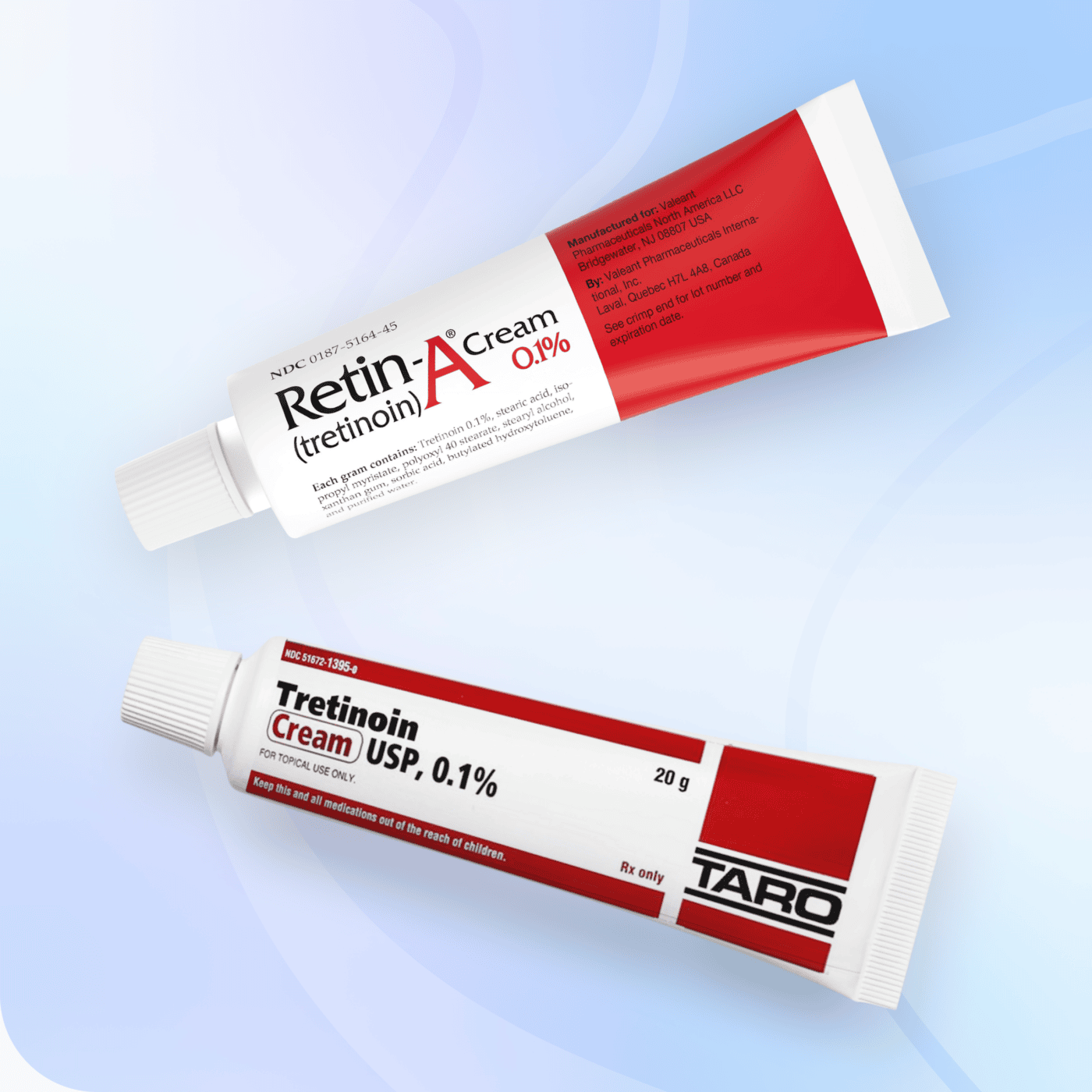
Tretinoin is a prescription-strength topical retinoid used to treat acne, fine wrinkles, and sun-damaged skin. It works by accelerating cell turnover, which forces your skin to produce new, healthier cells at a faster rate than it naturally would.
If you are looking for a miracle in a jar that works overnight, you are in the wrong place. Tretinoin is not a magic wand; it is a biological sledgehammer. It forces your skin into a state of constant renewal, which is great for texture but terrible for your immediate comfort.
You might have heard people talk about “the glow.” That usually happens after months of consistent use. Before that, you mostly get redness, peeling, and a general feeling that your face has been through a light sanding. It is a volatile process.
The Biological Mechanics of Texture Correction
Most people confuse retinol with tretinoin. They are cousins, but tretinoin is the much more aggressive relative. While over-the-counter retinol needs to be converted by your skin’s enzymes into retinoic acid, tretinoin is already retinoic acid. It hits the target cells immediately. This makes it significantly more potent and much more likely to cause irritation if you jump in too fast.
When you apply Retin-A, you are essentially telling your skin to speed up its internal clock. This process targets the epidermis, the outermost layer of your skin. By speeding up cell turnover, it helps clear out the “gunk” that leads to acne and smooths out the uneven surface that forms wrinkles.
Research shows that this isn’t just about smoothing the surface. It goes deeper. Tretinoin has been shown to improve dyspigmentation by inhibiting tyrosinase and reducing the transfer of melanosomes. In plain English: it stops your skin from overproducing pigment in certain spots, which helps fade those stubborn dark marks left behind by sun exposure or old breakouts.
This is why it works for photoaging. If you have spent years sitting in the sun without enough SPF, your skin has likely developed uneven pigmentation and rough texture. Tretinoin works to shed those melanin-containing cells more rapidly, bringing fresher, more evenly pigmented skin to the surface. It is a systematic overhaul of your skin’s architecture.
But you cannot rush this. If you apply too much too soon, you will end up with a compromised skin barrier. A broken barrier looks red, shiny, and feels tight. You want the results, not a permanent sunburn. Slow and steady is the only way to win this specific war.
The Acne vs. Anti-Aging Debate
You will often see tretinoin marketed for two very different demographics. One group is fighting active acne, and the other is fighting the inevitable march of time. Both groups benefit, but they use the cream for different biological reasons. For acne, the goal is to prevent comedones (clogged pores) from forming in the first place. For aging, the goal is collagen stimulation.
Regular use of the cream can boost collagen production. This helps reduce the appearance of fine lines and wrinkles by strengthening the structural support of your skin. It is a long game. You aren’t looking for an immediate change in depth; you are looking for a change in density and resilience. It takes months to see the true impact on deep-set lines.
It is a heavy hitter. Consider the following comparison of how different concentrations and uses might impact your routine:
| Goal | Primary Mechanism | Typical Timeline |
|---|---|---|
| Acne Management | Prevents pore clogging | 6 to 12 weeks |
| Fine Line Reduction | Stimulates collagen | 3 to 6 months |
| Hyperpigmentation | Inhibits melanin transfer | 2 to 4 months |
| Textural Smoothing | Increases cell turnover | 8 to 12 weeks |
If you are trying to manage both, your skin might feel the brunt of it. Many people find that using a higher concentration for acne is too much for their fine lines, or vice versa. You have to balance the need for efficacy with the reality of your skin’s tolerance. It is a delicate dance.
And that is where the “purging” phase comes in. Because tretinoin speeds up cell turnover, anything already brewing under your skin, like a future pimple, is going to surface much faster. You might see more breakouts before you see fewer. It is an annoying, frustrating, and often demoralizing part of the process. If you quit during this phase, you will miss the payoff.
The Financial and Logistical Reality
Getting a prescription is the first hurdle. You can’t just grab this off a shelf at a drugstore like you would a generic moisturizer. You usually need to see a dermatologist or use a telehealth service to get a valid script. Once you have that, you have to decide on a brand and a price point. Prices fluctuate wildly depending on whether you are buying name-brand Retin-A or a generic equivalent like Atralin or Avita.
It is a moderately priced drug. While it isn’t as expensive as some high-end boutique serums, it’s also not the cheapest thing in your cabinet. You have to factor in the cost of the cream itself plus the “hidden” costs of the skincare you’ll need to buy to support it. If you use tretinoin, you essentially must use a high-quality, broad-spectrum sunscreen every single day. Period. If you skip SPF, you are effectively canceling out the benefits of the tretinoin and potentially making the sun damage worse.
Use GoodRx to check prices and coupons before you commit. It can make a massive difference in your monthly budget. Some people find success with generic versions, which can be significantly cheaper than the original Retin-A brand. The active ingredient is the same, but the base formula might feel different on your face.
I’ve seen people spend hundreds of dollars on “luxury” creams that contain trace amounts of retinol, only to find that a cheap generic tretinoin prescription does ten times the work. You aren’t paying for the scent or the pretty jar. You are paying for the active molecule. Don’t let marketing distract you from the chemistry. It’s a common mistake.
Keep a spreadsheet or a simple note on your phone of what you are using and when. If your skin starts to peel excessively, you need to know if it’s because you changed your cleanser or because you’ve been too aggressive with the tretinoin. Tracking is your best friend in this process.
Avoiding the Irritation Trap
The biggest downside to tretinoin is the “retinoid dermatitis.” This is a fancy way of saying your skin gets red, dry, and irritated. It happens when the skin’s barrier is stripped faster than it can repair itself. If you start using it every night immediately, you are asking for trouble. You will look like you’ve been walking through a desert for a week.
Start slow. The “sandwich method” is a common tactic: apply a layer of moisturizer, then your tretinoin, then another layer of moisturizer. This buffers the medication, slowing down its absorption just enough to mitigate the shock to your skin. It doesn’t make the drug less effective in the long run; it just makes the transition more bearable.
Use these rules to stay sane:
- Frequency: Start with twice a week. Only move to every other night once your skin stops flaking.
- Quantity: A pea-sized amount is plenty. Using more won’t make you younger faster; it will just make you peel more.
- Timing: Only use it at night. Sunlight can degrade the ingredient and increase sensitivity.
- Wait Time: Apply it to completely dry skin. Applying it to damp skin increases absorption too much and causes irritation.
Avoid other harsh actives while you are adjusting. If you are using a strong salicylic acid cleanser or a glycolic acid toner at the same time as your tretinoin, you are essentially performing an acid peel on your face every single night. That is a recipe for a chemical burn. Stick to a gentle, non-foaming cleanser and a basic, bland moisturizer during the first month.
Sometimes, you might need to take a “skin holiday.” If your face feels tight or stings when you apply a regular moisturizer, stop the tretinoin for a few days. Focus entirely on hydration and barrier repair. Once the stinging stops, you can reintroduce the tretinoin very cautiously. Your skin is a living organ, not a piece of leather that you can just sand down without consequence. If you want to go deeper, tretinoin cream link anchor is a solid place to start.
Apply a pea-sized amount to entirely dry skin at night, and always wear SPF 30+ every morning.